

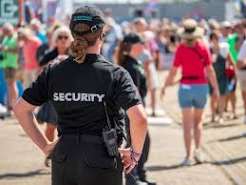
Events bring together guests, organisers, suppliers, performers, and staff in environments that can become busy quickly. Concerts, conferences, private functions, and community gatherings all require suitable planning to help protect attendees and maintain orderly operations. Organisers considering security guard services can assess what support may be appropriate for their venue and event requirements.
Planning Entry and Exit Points
Entry procedures help organisers manage attendance and direct guests to the correct areas. Depending on the event, arrangements may include ticket checks, guest lists, accreditation, or designated entrances for staff and suppliers.
Emergency exits must remain accessible and clearly identified. Event organisers should also consider queues, accessibility needs, and the possibility of congestion during arrival and departure periods.
Managing Crowd Movement
Crowd movement can become challenging when many people gather in a limited space. Venue layout, event timing, entertainment schedules, and weather conditions may influence how attendees move around.
A suitable plan identifies potential congestion points and keeps routes clear. Security personnel may assist with monitoring designated areas, communicating concerns, and directing attendees according to the organiser’s procedures.
Preparing for Unexpected Situations
Unexpected incidents can include medical emergencies, lost property, disputes, or the need to evacuate an area. Organisers should establish clear communication channels and explain responsibilities before the event begins.
Emergency arrangements should reflect the venue, expected attendance, and applicable requirements. Security personnel need to understand when to contact event management or emergency services rather than attempting tasks outside their training.
Supporting Guests and Staff
Security is not only about responding to problems. Clear directions and professional communication can help guests find entrances, accessible routes, information points, and designated facilities.
Staff should know how to report concerns and request assistance. A short briefing before the event can clarify radio procedures, emergency contacts, restricted areas, and the roles of different team members.
Selecting the Right Security Coverage
The appropriate arrangement depends on event size, location, duration, expected attendance, and the activities taking place. A small indoor gathering will have different needs from a large outdoor festival.
Organisers should discuss the event plan with the venue and any relevant authorities. They should also confirm provider licensing, staff experience, responsibilities, reporting procedures, and any applicable insurance arrangements.
Reviewing the Event Afterwards
After an event, organisers can review incident reports, staff feedback, and attendee concerns. This process helps identify what worked well and which procedures may need improvement for future gatherings.
Accurate records are especially useful when events are repeated or held at the same venue regularly.
Conclusion
Effective event security begins with preparation, clear communication, and an understanding of the venue’s risks. Well-defined responsibilities and suitable crowd-management arrangements can support a safer and more organised gathering. Event organisers researching security guard services can compare options based on their event’s scale, schedule, and specific requirements.
